Patchwork Embroidery: A Cozy Font for Handmade Charm
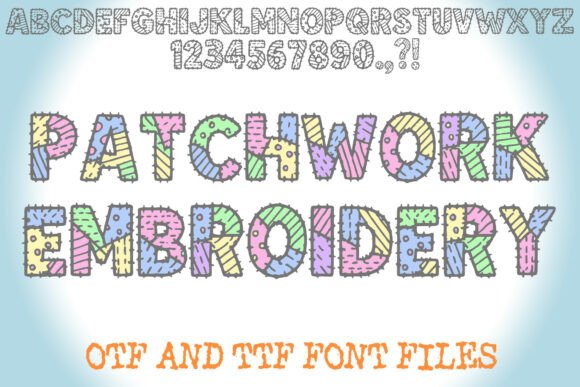
Imagine a typeface that feels like a favorite quilt or a well-loved craft project. That's the essence of Patchwork Embroidery, a display font that doesn't just spell words—it tells a story. Each character is meticulously crafted to resemble a colorful fabric patch, complete with visible, hand-drawn stitch lines. This isn't a sterile digital typeface; it's a premium font with soul, designed to evoke the warmth and charming imperfection of folk art and textile crafts. The layered textures and patch-style color blocking give it a uniquely tactile quality, making it a standout creative font for projects that need a personal, homespun touch.
Where This Typeface Truly Shines
Understanding a font's personality is key to using it effectively. Patchwork Embroidery isn't for every situation, but in the right context, it's transformative. Its playful, decorative nature makes it a natural fit for craft-themed projects. Think of a logo for a local yarn shop, the cover of a sewing pattern, or the title of a handmade goods marketplace. It instantly communicates authenticity and care. For children's books, its whimsical characters add a layer of engaging, friendly texture that can make storytelling more immersive.
Beyond crafts, consider its application in brand identity for businesses that want to emphasize handmade quality, organic origins, or a down-to-earth ethos. A small-batch jam company, a boutique children's clothing line, or a DIY workshop series could use Patchwork Embroidery in their logo design and packaging design to create a memorable, approachable brand. It's also a fantastic choice for event invitations—think rustic weddings, baby showers, or community craft fairs—where you want the stationery to feel personal and inviting. In editorial design, it can be used sparingly for pull quotes or chapter headings in magazines focused on lifestyle, home, or parenting to inject a burst of personality.
Strategic Considerations for Effective Use
As a display font, Patchwork Embroidery is built for impact, not for long paragraphs of body text. Its detailed, textured nature works best at larger sizes where its intricate stitch details can be fully appreciated. This makes it a powerful tool for establishing a strong visual hierarchy. Use it for headlines, logos, and key phrases to draw the eye and set the tone, then pair it with a cleaner, more legible typeface for supporting text.
Choosing the right font pairing is crucial. The ornate, folk-art style of Patchwork Embroidery pairs beautifully with simple, understated sans serif fonts or clean serif fonts. A pairing with a modern sans serif like Montserrat or a classic serif like Lora creates a pleasing contrast, allowing the display font to stand out without overwhelming the design. Avoid pairing it with other highly decorative or script fonts, as this can create visual chaos. When evaluating its fit for a project, always test it in context. See how it looks on both a web design mockup and a printed sample. Check its readability at the intended size, especially for shorter text blocks on social media graphics where clarity is paramount.
From a practical standpoint, Patchwork Embroidery is supplied in OTF and TTF formats, ensuring compatibility across most design software. For designers and businesses, reviewing the commercial license is a standard but essential step before integrating any commercial font into client work or product lines. This font is a design asset; its value lies in its ability to convey a specific aesthetic and emotional response. By thoughtfully applying it, you can elevate a project from simply informative to genuinely resonant, connecting with an audience that appreciates the handcrafted, the cozy, and the authentically made.