Daisyfolk: Capturing Spring’s Charm in a Creative Font
A Typeface with a Natural, Artisanal Soul
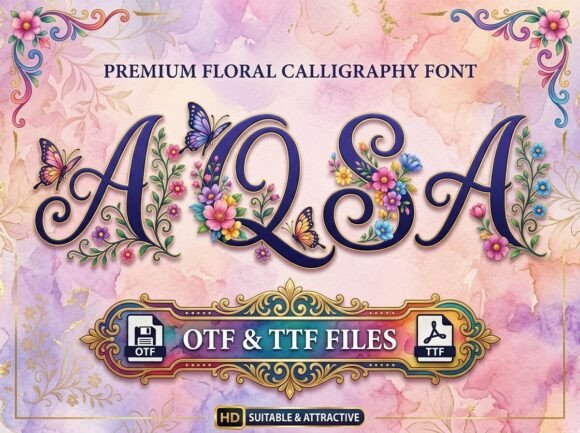
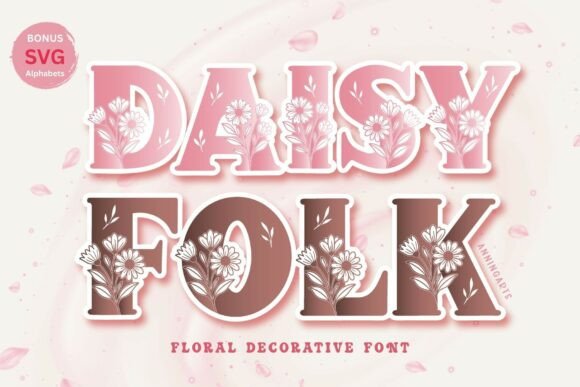
Daisyfolk immediately signals a shift away from corporate rigidity. It’s a romantic floral font, but that description barely scratches the surface of its utility. Imagine the visual texture of hand-cut paper flowers or pressed botanicals—that’s the vibe embedded in every letterform. This isn't just a standard decorative typeface; it’s a premium font that integrates actual daisy illustrations directly into the character design. The result is a creative font that feels organic, whimsical, and distinctly "boho chic."
What makes Daisyfolk unique in the landscape of modern typography is its dual nature. It functions as an all-caps display font, which gives it a certain architectural strength, yet the floral embellishments soften the edges. It balances boldness with delicacy. Whether you are looking at the standard OTF vector version or the textured SVG format, the font retains a softness that is rare in display fonts. It feels personal, almost like a handwritten note adorned with dried flowers, making it ideal for projects where emotional connection is the priority.
Practical Applications: From Wedding Suites to Branding
When selecting a typeface for a project, context is everything. Daisyfolk thrives in environments where you need to evoke warmth, nature, or nostalgia. The most obvious application is wedding design. Think beyond the invitation; this font is perfect for save-the-dates, menu cards, and table numbers. Its legibility at medium sizes makes it suitable for event signage, where the goal is to welcome guests with a specific aesthetic atmosphere. The floral details add a layer of elegance without requiring additional graphic elements, streamlining the editorial design process.
However, its utility extends far beyond nuptials. For packaging design, particularly in the beauty, wellness, or artisanal food sectors, Daisyfolk offers a distinct voice. A skincare brand focusing on natural ingredients or a local florist could use this font to establish an immediate visual link to their product values. It works beautifully on labels, hang tags, and thank-you cards included in e-commerce orders. This creates a cohesive unboxing experience, which is a critical touchpoint in modern brand identity.
For social media graphics and web design, the font serves as a powerful hook for headers. Because it is an all-caps style, it commands attention in Instagram posts, Pinterest pins, and website hero sections. It pairs exceptionally well with clean sans serif fonts for body copy, ensuring that the design remains readable while the headers pop with personality. If you are a blogger or content creator focusing on lifestyle, gardening, or DIY crafts, Daisyfolk can become a recognizable signature element of your visual content strategy.
Technical Flexibility: OTF, SVG, and Craft Compatibility
A significant advantage of the Daisyfolk package is the inclusion of both OTF and SVG formats. This distinction is vital for modern creators. The OTF (OpenType Font) format is the industry standard for graphic design software like Adobe Illustrator, Photoshop, and InDesign. It’s vector-based, meaning it scales infinitely without losing quality. This is essential for logo design and large-format printing.
The SVG (Scalable Vector Graphics) format, however, is a game-changer for the crafting community and digital artists. If you use Cricut machines or Procreate on the iPad, the SVG version allows for more complex textures and gradients that standard fonts cannot handle. It enables you to work with the font as if it were a high-resolution image, preserving the intricate details of the daisy illustrations. This makes it a highly versatile design asset for hobbyists and professional crafters alike.
Strategic Pairing and Readability
Using a decorative font like Daisyfolk requires a bit of strategy regarding visual hierarchy. Because it is a display font, it is not intended for long paragraphs of body text. Its strength lies in headlines, subheadings, and pull quotes. To maintain readability and professionalism, you must pair it with a simpler counterpart.
A classic serif font like Garamond or a geometric sans serif font like Montserrat creates a beautiful contrast. The simplicity of the body text allows the intricate details of Daisyfolk to shine without overwhelming the reader’s eye. This contrast is fundamental to good typography; it guides the reader's attention from the most expressive elements (the headers) to the informative elements (the body copy).
When evaluating fit, consider the "voice" of your project. Daisyfolk implies a human touch. If your brand identity is ultra-minimalist, tech-focused, or strictly corporate, this font might clash with your existing aesthetic. However, if your brand values authenticity, craftsmanship, or nature, it can significantly enhance audience engagement. It signals to your audience that you care about the details and the beauty of the presentation.
Licensing and Commercial Use
For entrepreneurs and small business owners, understanding the licensing of a commercial font is non-negotiable. Daisyfolk is typically offered with a license that allows for commercial use, meaning you can use it in designs that you sell—such as POD (Print on Demand) products, merchandise, or client work—provided you adhere to the specific terms of the license agreement. Always review whether the license covers the number of users or specific types of end products. Investing in a premium font like this ensures that you are legally covered and that you are using a high-quality asset that won't appear in thousands of free, low-quality templates across the web.
Ultimately, Daisyfolk is more than just a collection of letters; it is a tool for storytelling. It brings a soft, botanical energy to digital and print spaces that often feel sterile. By integrating this typeface into your toolkit, you gain the ability to instantly convey warmth and artisanal quality, helping your designs resonate on a more emotional level with your audience.