Cinema Show: A Cool, Unique Decorative Font for Modern Creators
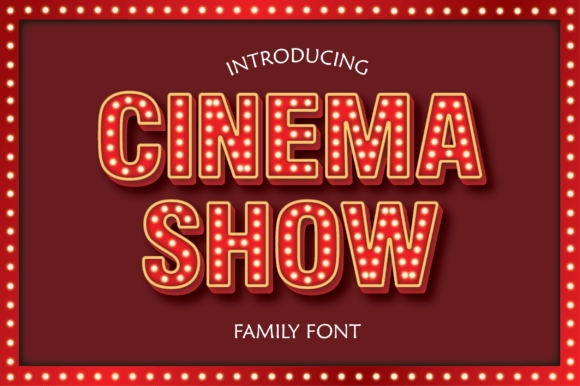
There are fonts that handle the everyday workload—setting body text, creating clean interfaces, and providing reliable structure. Then there are fonts that arrive on the scene with a distinct personality, immediately changing the energy of a project. Cinema Show belongs firmly in the second category. It’s a decorative typeface that carries a cool, retro-modern flair, blending the nostalgic charm of classic marquee signage with a contemporary, crisp edge. If you’ve been searching for a premium font that breaks the mold of standard geometric sans-serifs, this might be the missing piece in your design toolkit.
Visually, Cinema Show is defined by its bold presence and unique geometric construction. It isn't just a display font; it is a statement piece. The letterforms often feature interesting cuts, shadows, or inline details that mimic the look of vintage cinema posters or illuminated signage. This gives it a high-impact aesthetic that demands attention. However, despite its decorative nature, the font maintains a level of legibility that is crucial for modern logo design and headlines. It strikes a balance between being artistic enough to be unique, yet structured enough to remain professional. For designers tired of the same flat, minimalist styles, Cinema Show offers a refreshing dose of personality and depth.
Where Cinema Show Fits Into Your Creative Workflow
One of the biggest challenges with decorative fonts is finding the right context for them. A font like Cinema Show isn't designed for long paragraphs of text, but it excels as a tool for visual hierarchy. Think of it as the headline act. In editorial design, it works beautifully for magazine covers, pull quotes, or section headers where you need to instantly grab a reader's attention. It sets a mood that standard serif or sans-serif fonts simply cannot achieve on their own.
In the realm of branding, this creative font is a powerhouse for specific niches. If you are a small business owner running a retro diner, a cocktail bar, a vintage clothing store, or a media production company, Cinema Show can become the cornerstone of your brand identity. It instantly communicates a vibe—cool, cultured, and slightly nostalgic. I’ve seen similar styles used effectively in packaging design, particularly for craft beverages, gourmet popcorn, or artisanal goods where shelf appeal is everything. The unique silhouette of the letters ensures that the product stands out against competitors using generic typefaces.
Digital creators can also leverage this font for social media graphics. On platforms like Instagram or TikTok, where users scroll rapidly, a bold, unique header font is essential for stopping the scroll. Cinema Show provides that visual hook. It works exceptionally well for event announcements, sale promotions, or stylized YouTube thumbnails. Because it is a commercial font, you can use it freely across client work and merchandise without worrying about licensing issues that often plague free font sites.
Strategic Typography: Readability, Pairing, and Hierarchy
Using a decorative font effectively requires more than just liking how it looks; it requires strategic implementation. When using Cinema Show, the most important rule is to let it breathe. Because it has such a strong personality, pairing it with a neutral, clean font is usually the best approach. A common mistake is trying to pair a decorative font with another stylized font, which creates visual chaos. Instead, try pairing Cinema Show with a simple sans serif font for your body text. The contrast between the ornate header and the clean body copy creates a professional visual hierarchy that guides the reader’s eye naturally.
Consider the spacing as well. Decorative fonts often benefit from slightly adjusted kerning (the space between letters). In headline applications, opening up the tracking can make the text feel more airy and luxurious, whereas tightening it can create a more urgent, impactful look. Always test your font pairing in context. A combination that looks good in a design tool might behave differently on a website or a printed flyer. Pay attention to how the font renders at different sizes; Cinema Show is built for impact, so ensure your primary message is set in a size that commands respect.
Practical Considerations for Professional Use
Before integrating any new typeface into your library, practical evaluation is necessary. First, check the licensing. As a premium font, Cinema Show typically comes with a license that covers both personal and commercial use, but it is always wise to read the End User License Agreement (EULA). This ensures you are covered for web design, print-on-demand merchandise, or client logos.
Next, evaluate the versatility of the font family. Does it come with different weights or styles? A good creative font often includes variations that allow for flexibility. You might find that the "Regular" weight is perfect for a logo, while a lighter or heavier version works better for sub-headings. Finally, test it across different mediums. If you are a publisher or blogger, preview how it looks on both desktop and mobile screens. If you are focused on physical goods, print a sample to see how the ink sits on the paper. Cinema Show is designed to be an asset, and like any good asset, it performs best when you understand its strengths and limitations. By treating it as a strategic tool rather than just a decoration, you can truly elevate the quality of your work.