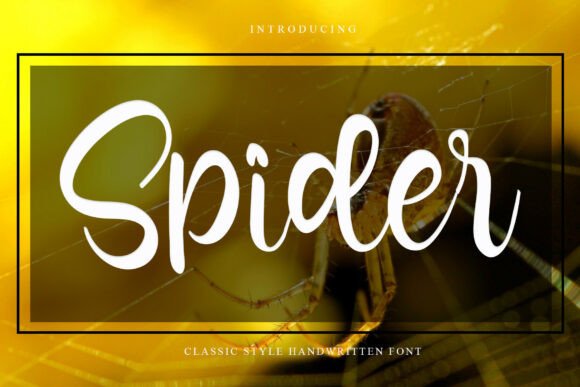
Spider Font: Elevate Your Brand with This Elegant Typeface
In the crowded digital and print landscape, a distinctive voice is crucial. We often focus on the words we write, but the vessel that carries those words—the typography—speaks volumes before a single sentence is read. If you have been searching for a typeface that balances sophistication with a personal, handcrafted touch, allow me to introduce you to Spider. This is not just another addition to your design assets folder; it is a carefully curated premium font designed to bridge the gap between professional polish and authentic human connection.
Spider is built on the foundation of modern typography principles while embracing the organic beauty of a professional hand touch. It strikes a delicate balance. It possesses the fluidity of a script font without sacrificing the legibility required for serious brand identity work. Unlike standard serif font or sans serif font options that can feel sterile or overused, Spider offers a unique elegance. It feels bespoke, as if it were hand-lettered specifically for your project. This characteristic makes it an exceptional choice for anyone looking to inject personality into their visual communication.
Visual Characteristics and Personality
When you look closely at Spider, you will notice the subtle details that define its character. The letterforms exhibit a gentle flow, with varying stroke widths that mimic the pressure of a real pen on paper. However, it avoids the chaotic loops and illegible swashes often found in casual handwritten font styles. The spacing is carefully considered, ensuring that text blocks remain breathable and easy to scan. This attention to kerning and legibility is what separates a professional typeface from an amateur experiment.
The personality of Spider is best described as approachable elegance. It projects confidence without arrogance. This makes it a versatile creative font suitable for a wide range of applications. Whether you are a designer crafting a logo, a small business owner designing packaging, or a content creator working on social media graphics, Spider adapts to your vision. It carries a warmth that invites the viewer in, making it particularly effective for brands that want to appear trustworthy and genuine.
Where Spider Shines: Real-World Applications
The true test of any font is how it performs in the wild. Spider was designed with versatility in mind, making it a reliable workhorse for various projects. Here is where this font truly excels:
Branding and Logo Design
A logo is the face of your brand. Using Spider for your logo design ensures that your business stands out with a touch of class. It works beautifully for boutique shops, lifestyle blogs, coaching businesses, and artisanal products. Because it is distinct yet readable, it helps build brand recognition. You can use it for your primary wordmark or as a secondary accent font to complement a bolder display font.
Event Stationery and Invitations
One of the strongest use cases for Spider is in print design, specifically for greeting cards. If you are designing wedding invitation cards, Spider provides the romantic and sophisticated feel that couples look for. It captures the significance of the event without looking stuffy. Similarly, for birthday parties, baby showers, or formal dinners, this font sets the mood instantly. It tells your guests that the event has been thoughtfully planned and aesthetically curated.
Digital Content and Web Design
In the realm of web design and digital marketing, grabbing attention is paramount. Spider is an excellent choice for hero sections, blog post titles, and call-to-action headers. It breaks the monotony of standard body text and guides the reader’s eye. For social media graphics, where you have only a split second to stop a user from scrolling, the unique silhouette of Spider can be the difference between a scroll-by and a click.
Editorial and Publishing
For bloggers and publishers, typography plays a massive role in reader retention. While Spider is likely too decorative for long-form body copy, it is perfect for chapter headings, pull quotes, and cover art. It adds a layer of professionalism to digital magazines or self-published books. It signals to the reader that the content inside is high-quality and worth their time.
Design Strategy: Using Spider Effectively
Having a great font is half the battle; knowing how to deploy it is the other half. To get the most out of Spider, you need to consider the principles of visual hierarchy and font pairing.
Mastering Font Pairing
Because Spider has a strong personality, it pairs best with neutral, clean typefaces. A classic sans serif font or a simple serif font makes an excellent partner. For example, you might use Spider for your main headlines to draw attention, and pair it with a highly legible sans serif like Open Sans or Montserrat for your body text. This contrast creates a dynamic visual hierarchy. It prevents the design from becoming overwhelming while maintaining a cohesive brand identity. Avoid pairing it with other script or handwritten fonts, as this will create visual clutter and confusion.
Readability and Hierarchy
When using Spider, pay attention to sizing. As a display font, it looks best at larger sizes where its details can be appreciated. If you use it for sub-headlines, ensure the font size is large enough to maintain legibility. Do not force it into small, dense paragraphs of text. Instead, use it to highlight key messages. This approach improves the overall readability of your design and ensures that your most important information gets the attention it deserves.
Testing and Evaluation
Before finalizing a design, always test the font in the specific context where it will be seen. If you are designing packaging design, print out a mock-up. Lighting and paper texture affect how the font appears. If it is for web design, check how it renders on different screen sizes and browsers. Spider is designed to be accessible with all glyphs, meaning you have access to a full range of characters, including numerals and punctuation. This ensures you won’t hit a roadblock when writing out specific phrases or pricing details.
Practical Considerations for Professionals
For designers and entrepreneurs, the technical aspects of a font are just as important as the aesthetic ones. Spider is crafted as a commercial font, meaning it comes with the necessary licensing for professional work. This is vital for client projects, merchandise, and digital products. You can use it with confidence knowing your design assets are compliant.
Furthermore, the inclusion of all glyphs without the need for additional software is a significant workflow improvement. You do not need to be an expert in complex design software to access special characters. This accessibility makes Spider a practical choice for small business owners who may be handling their own marketing materials or for hobbyists working on school assignments and personal creative projects.
Ultimately, typography is about connection. The Spider font offers a way to connect with your audience through a visual language that feels personal, professional, and polished. By incorporating this typeface into your toolkit, you are equipping yourself with a powerful asset that can elevate your creative ideas and help your projects stand out in a meaningful way. Whether you are launching a new brand or refreshing an existing one, Spider provides the flexibility and elegance needed to make a lasting impression.