Winery: A Handwritten Font with Heritage and Rustic Luxury
There's a particular feeling you get when you see a well-crafted wine label or a high-end restaurant menu. It's a blend of warmth, tradition, and quiet confidence. Capturing that organic elegance in a digital design is a challenge, but the right typography can be a direct shortcut. This is where a typeface like Winery enters the picture. It’s more than just a script font; it’s a carefully crafted display font designed to pour that sense of artisanal quality onto your layouts.
Anatomy of an Organic, Premium Typeface
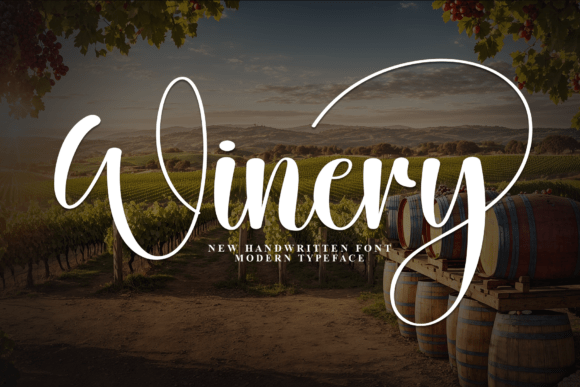
At its heart, Winery is a handwritten font, but don't mistake that for a casual scrawl. Its design strikes a masterful balance. The uppercase letters are a standout feature—towering and oversized, with bold, rhythmic downstrokes that command attention. These strokes taper gracefully into a more relaxed, flowing lowercase, creating a beautiful visual rhythm. This contrast is key to its personality: it feels deeply handcrafted yet undeniably premium.
Look closer at the details. You'll notice sweeping loop configurations that add fluidity, and a crisp outer drop-contour that gives the letters remarkable clarity and presence. This technical detail is what allows Winery to pop with flawless definition when placed over complex visuals—think the rich, textured backdrop of a vineyard photograph or the deep grain of a wooden surface. It’s a modern typography solution that doesn't sacrifice warmth for legibility.
Where Does This Font Truly Shine?
Understanding a font's strengths is one thing; knowing where to apply them is another. Winery excels in projects that need to communicate heritage, craftsmanship, and a touch of rustic luxury. Its inherent character makes it a phenomenal creative asset for specific applications.
- Artisanal Branding & Packaging Design: This is its natural habitat. Use it for wine and spirit labels, gourmet food packaging, specialty coffee branding, or any product where the story of origin and craft is central to the brand identity. The font itself becomes a design asset that speaks to quality.
- Editorial & Publishing Design: It creates stunning hero images for blogs, magazine features, and book covers, especially in the culinary, lifestyle, or travel genres. As an editorial design element, a large Winery headline can set an entire mood.
- Hospitality & Fine Dining: From restaurant menus and table cards to signage and website headers for boutique hotels or wineries, it instantly evokes an atmosphere of relaxed sophistication.
- Digital & Social Media: A bold Winery headline can make social media graphics and website banners feel personal and curated. It works well for short, impactful text in web design, like a hero section or a call-to-action.
Making Informed Design Decisions with Winery
Choosing a creative font is a strategic decision. Here’s how to think about integrating Winery into your work effectively.
Evaluating Fit and Readability
First, consider your project's voice. Is it aiming for a handmade, organic feel with a premium edge? If yes, Winery is a strong candidate. However, its detailed, decorative nature means it’s best used for logo design and headlines rather than long paragraphs of body copy. Its strength is in establishing visual hierarchy and grabbing attention.
Always test readability in context. A beautiful font is useless if people can't read it. Place it over your intended background—whether a photo, texture, or color—and check the clarity at various sizes. The crisp contour helps, but contrast is still king.
Strategic Font Pairing
The most professional designs often use a thoughtful font pairing. Winery pairs beautifully with clean, neutral typefaces that provide balance and ensure legibility for supporting text. Consider combining it with:
- A clean serif font for body copy to maintain a classic, readable feel that complements the handwritten character.
- A geometric or humanist sans serif font for a more modern, contrasting look that lets Winery take the spotlight.
The goal is to let each font do its job. Use Winery for the impactful, emotional headlines and let its partner handle the detailed information.
Understanding Your License and Assets
Before you commit, review the details. Check what's included with your commercial font license. Does it offer multiple styles (like regular, bold, or italic)? Are there extended character sets or ligatures that enhance its use? Knowing these details helps you leverage the font to its full potential across all your projects, ensuring consistency in your design assets.
Ultimately, a typeface like Winery is a powerful tool in a designer's or brand builder's toolkit. It doesn't just decorate; it communicates. By understanding its personality, testing its application, and pairing it wisely, you can use it to create designs that feel both authentically handcrafted and professionally polished, directly influencing how your audience perceives your brand's quality and story.