Dusty Cowboy: Authentic Western Typography
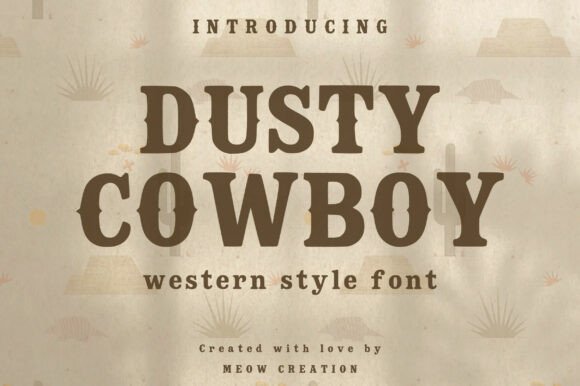
When a design calls for more than just letters—when it demands the grit of a desert trail, the strength of hand-tooled leather, and the spirit of the open range—you need a typeface that does more than sit on the page. You need a voice. This is where Dusty Cowboy steps in. It’s not merely a premium font; it’s a full-fledged display font with a distinct personality, built to carry the weight of stories about frontier justice, rodeo champions, and sunset horizons. If you are working on a project that requires a rugged, vintage aesthetic, this typeface offers a direct line to that authentic Western character.
Visual Character and Design DNA
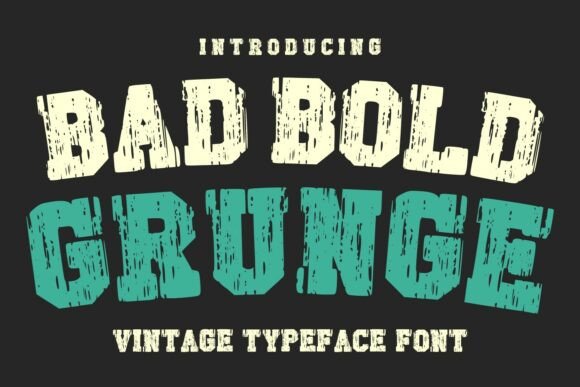
At its core, Dusty Cowboy is a bold, heavy-set typeface that commands attention immediately. Unlike the clean lines of a standard sans serif font, this design leans into the imperfections and textures of the Old West. The letterforms feature thick strokes, often with roughened edges or textured fills that mimic the look of ink pressed onto coarse paper or wood burned into a sign. It bridges the gap between a serif font structure and a hand-painted aesthetic. You won’t find the delicate loops of a script font here; instead, you get sturdy, grounded shapes that feel permanent.
The visual weight of Dusty Cowboy is heavy, making it an ideal candidate for headlines where impact is the priority. It captures a specific era of modern typography that looks backward—specifically toward the 19th-century American frontier. The kerning is often tight, allowing the letters to lock together like bricks in a wall, which reinforces the feeling of durability. This isn't a handwritten font meant for casual notes; it is a structured, architectural typeface designed for logo design and major visual statements.
Strategic Applications: Where the West Works Best
Understanding where to deploy a creative font like this is half the battle. Because Dusty Cowboy has such a strong voice, it needs the right context to sing. It is a powerhouse for brand identity in industries that value tradition, craftsmanship, and authenticity. Think of the craft brewery that prides itself on heritage recipes, the BBQ joint that slow-smokes its meats, or the outdoor adventure company guiding hikers through national parks. In these contexts, the font does the heavy lifting for the brand story before the customer even reads a single word of copy.
Beyond commercial branding, the applications are vast and varied:
- Apparel and Merchandise: This font shines on t-shirts, hats, and denim patches. It translates exceptionally well to screen printing and embroidery because of its bold, high-contrast shapes.
- Packaging Design: For products like beef jerky, hot sauce, or artisanal leather goods, Dusty Cowboy adds immediate shelf appeal. It suggests a product made with care and grit.
- Events and Signage: Hosting a rodeo, a country music festival, or a barn wedding? This typeface is perfect for signage, tickets, and posters. It sets the mood instantly.
- Editorial Design: While too heavy for body text, it works beautifully for chapter headings in adventure novels or mastheads for niche magazines focusing on history or rural living.
However, context matters. You would likely avoid using Dusty Cowboy for a pediatric dentist’s website or a high-tech startup. Its personality is too specific. It thrives in environments where ruggedness is a virtue, not a liability.
Readability, Hierarchy, and Audience Engagement
One of the most common mistakes with decorative typefaces is sacrificing function for form. With Dusty Cowboy, readability is generally strong for display purposes, but it requires a strategic approach to visual hierarchy. Because the font is so bold and textured, it dominates the composition. If you pair it with another strong typeface, they will fight for attention.
The best approach is to use Dusty Cowboy for the hero text—the main headline or the logo mark. Then, balance it with a clean, neutral companion font for supporting text. A classic sans serif font like Helvetica or a simple serif font like Georgia often works well. This contrast allows the Western font to provide the personality while the secondary font provides the clarity needed for longer descriptions or body copy.
From a psychological perspective, this typeface influences brand perception by triggering associations with reliability and tradition. When a customer sees this font, they subconsciously process "established" and "authentic." This is crucial for audience engagement. People are drawn to brands that feel grounded. Using Dusty Cowboy can make a new business feel like it has been around for decades, lending an air of authority and professionalism that generic fonts cannot replicate.
Practical Implementation and Licensing
Before you finalize your design assets, you need to evaluate the technical side of the font. First, check the licensing. Since Dusty Cowboy is a commercial font, you need to ensure your license covers your specific use case, whether that is for web design (using @font-face), physical merchandise, or broadcast media. Respecting licensing is part of being a professional creator.
Next, look at the font files themselves. Does the typeface include OpenType features? Often, high-quality display fonts include stylistic alternates, ligatures, or swashes. These extra glyphs can be the difference between a standard layout and a custom-looking design. For example, swapping a standard "A" for a stylistic alternate with a longer crossbar can change the entire flow of a word in a logo.
Finally, test your font pairing. Don't just trust your gut; mock it up. Place your headline in Dusty Cowboy and your subheadline in your chosen secondary font. Zoom out. Does the hierarchy hold up? Does the Western vibe overpower the message, or does it support it? Remember, modern typography is about balance. You want the font to enhance the message, not become a distraction. By treating Dusty Cowboy as a strategic asset rather than just a decoration, you ensure your designs are not only stylish but effective.