Quick Brush: A Flowing Handwritten Font for Dynamic Designs
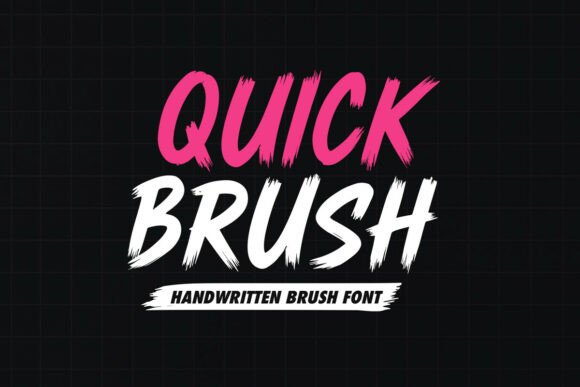
There’s a particular energy to a design that feels both personal and polished. It’s the kind of work that stops a scroll or catches an eye on a shelf, not because it’s loud, but because it feels authentic. That’s the space Quick Brush occupies. This modern handwritten brush font isn’t about mimicking a child’s scrawl or an overly rustic aesthetic. Instead, it offers a clean, flowing script that feels contemporary and intentional. Its characters are beautifully balanced, with a rhythm that moves the eye along naturally. For designers, entrepreneurs, and creators, it’s a typeface that adds a human touch without sacrificing clarity or professionalism.
The Visual Personality of Quick Brush
At its core, Quick Brush is a display font with a distinct personality. Its strokes have a natural, slightly textured quality that suggests a real brush, but the letterforms are carefully constructed for consistency and readability. This isn’t a wild, expressive script; it’s a controlled, flowing handwritten font. The weight is medium, making it substantial enough to stand out in headlines but not so heavy it becomes overwhelming. The connections between letters feel organic, and the overall style is versatile—it can lean modern, friendly, or even elegant depending on the context and color palette you pair it with.
This balance is its greatest strength. Many script or brush fonts can be difficult to read at smaller sizes or in long strings of text. Quick Brush, however, maintains its legibility remarkably well. The letter spacing is thoughtful, and the x-height is generous, which means it works effectively not just for a single word in a logo, but for a short tagline, a social media quote, or a product name on packaging. It’s a premium font designed for real-world application, where beauty and function must coexist.
Where Quick Brush Truly Shines
Understanding a font’s ideal use cases is key to using it effectively. Quick Brush excels in projects where you want to inject personality, warmth, and a touch of craftsmanship. It’s a fantastic tool for brand identity, particularly for businesses that want to appear approachable and creative. Think boutique studios, artisanal food brands, lifestyle blogs, or personal coaching services. In logo design, it can serve as the primary wordmark or as a secondary element that adds flair.
Beyond logos, its applications are broad:
- Marketing & Social Media: It’s perfect for creating eye-catching headlines in social media graphics, Instagram stories, or Pinterest pins. The font’s natural flow makes quotes and key messages feel more engaging and shareable.
- Packaging & Editorial Design: On product labels, book covers, or magazine features, Quick Brush adds a personal, artisanal feel. It can highlight a product name or a chapter title, drawing the reader in.
- Web & Digital Design: Used sparingly, it can add a dynamic element to website headers, call-to-action buttons, or featured blog post titles, especially when paired with a clean sans serif font for body text.
- Personal Projects & Crafts: For wedding invitations, greeting cards, or printables, it offers a stylish, handcrafted look that’s more refined than many free alternatives.
The key is context. Quick Brush works best as a creative font for headlines, logos, and short bursts of text. It’s not intended for body copy in a novel or a technical manual—pair it with a legible serif font or sans serif for that purpose.
Integrating Quick Brush into Your Workflow
Choosing the right typeface is only half the battle; integrating it successfully is the other. When evaluating Quick Brush for a project, start by defining the mood you want to convey. Does the brand or design need to feel energetic, trustworthy, whimsical, or sophisticated? Quick Brush’s versatile nature can adapt, but its core personality leans toward modern, friendly, and creative.
Font pairing is critical. Because Quick Brush is a script font with visual complexity, it demands a simpler partner. A geometric sans serif like Montserrat or a clean serif like Lora often creates a beautiful, balanced hierarchy. The contrast allows the brush font to take center stage for impact while the supporting font ensures readability for longer text.
Always test the font in your specific application. How does it look in your brand’s color palette? Does it maintain clarity on both a light and dark background? Check the included styles—many premium fonts like Quick Brush come with alternate characters, ligatures, or swashes that can add even more customization and flair to your designs. Experiment with these features to create unique typographic compositions.
Finally, consider the licensing. As a commercial font, Quick Brush is an investment in your design assets. Ensure the license you purchase covers your intended use, whether it’s for a single client project, multiple commercial products, or web embedding. This professionalism not only supports the font’s creators but also ensures you have the legal right to use the work you create, protecting your business and your clients.
Making Your Creative Vision Come Alive
The true test of any design element is the result it helps you achieve. Quick Brush is more than just a collection of letters; it’s a tool for expression. When you add it to your creative ideas, you’re giving them a voice that is both stylish and substantive. It helps bridge the gap between a concept and a connection, transforming a simple logo into a memorable mark, a plain quote into a compelling statement, and a generic package into a shelf standout.
In a digital landscape crowded with generic templates and overused free fonts, having a distinct, high-quality handwritten font