Amanda: The Modern Serif for Unforgettable Branding
There are serif fonts that feel traditional, almost dusty, and then there are serif fonts that step into the room with absolute confidence. The Amanda Serif Family falls firmly into the latter category. It is not just a collection of letters; it is a statement of modern elegance and subtle sensuality. If you have been searching for a typeface that bridges the gap between high-fashion sophistication and approachable warmth, Amanda is likely the missing piece in your design toolkit. It captures a specific vibe—classy, sexy, and undeniably chic—that is incredibly difficult to find in standard font libraries.
More Than Just Letters: Understanding the Amanda Aesthetic
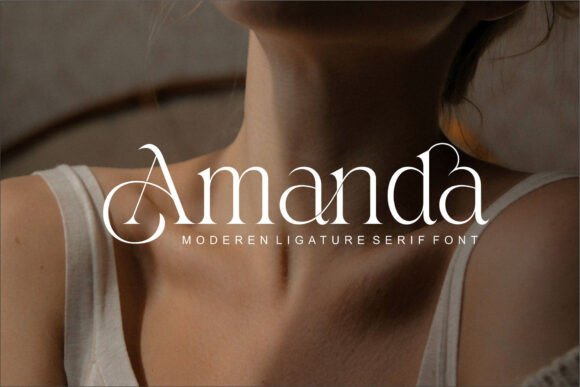
When we talk about typography, we are really talking about personality. A font sets the mood before a single word is read. Amanda brings a distinct personality to the table. It is a modern typography creation that respects the roots of traditional serifs but strips away the stuffiness. You will notice this immediately in the letterforms. There is a fluidity to the curves and a sharpness to the terminals that give it a dynamic energy. It feels alive.
What makes this serif font special are the "sexy stylish extras" mentioned in its description. This usually refers to a set of stylistic alternates and swashes. Imagine a standard "Q" that turns into a sweeping flourish, or an "R" that extends into a delicate tail. These extras allow you to customize the font to fit the exact mood of your project. For a brand identity that needs to feel luxurious, you can use the swashes to add flair. For a project that needs to be clean and legible, you can stick to the standard character set. This versatility makes Amanda a true premium font asset.
The Power of Weights: From Whisper to Shout
A single weight font can be limiting. You need contrast to create a visual hierarchy in your designs. The Amanda Serif Family solves this by offering various weights. This is crucial for practical design work. You might use a bold weight for a headline to grab attention, but that same boldness would make a paragraph of body text unreadable. With Amanda, you can switch to a lighter weight for subheadings or short descriptions, maintaining the font's character while ensuring readability.
- Logo Design: Use the bolder weights for impact and recognition.
- Editorial Design: Utilize lighter weights for pull quotes or drop caps to add elegance without clutter.
- Web Design: Mix weights to create a clear hierarchy between H1, H2, and H3 tags.
Practical Applications: Where Amanda Shines Brightest
Theory is nice, but application is everything. Where does a font like Amanda actually work best? The answer lies in its versatility, though it definitely has sweet spots where it outperforms standard sans serifs or blocky slabs.
Branding and Logo Design
This is Amanda’s home turf. If you are a small business owner, a startup founder, or a designer working on a brand identity, this font is a powerhouse. It is perfect for industries that rely on aesthetics and trust. Think beauty brands, high-end boutiques, lifestyle blogs, wedding planners, interior designers, and jewelry makers. The logo design possibilities are vast. Because it is so distinct, you can often create a stunning logo using just the font, perhaps with a custom ligature or a stylistic alternate, without needing complex graphics.
Packaging and Product Design
Imagine this font on a matte black bottle of perfume or a gold-foil label on a chocolate box. Packaging design requires fonts that communicate quality instantly. Amanda does this effortlessly. It suggests that the product inside is premium, crafted with care, and worth the price tag. It appeals to the sensory side of the consumer.
Digital and Social Media
In the fast-paced world of social media, stopping the scroll is vital. Social media graphics using Amanda stand out because they look expensive and curated. It works beautifully for Instagram quotes, Pinterest pins, and YouTube thumbnails. However, for web design, use it strategically. It is a fantastic display font for headers and hero text, but for long-form blog posts or dense paragraphs, you should pair it with a highly legible sans-serif.
Strategic Font Pairing and Usage
Using a creative font like Amanda effectively requires a bit of strategy. You cannot just throw it onto a page and hope for the best. The goal is to let the font do the heavy lifting without overwhelming the viewer.
Finding the Perfect Partner
Because Amanda is expressive and has a strong personality, it pairs best with something quieter. You need a sans serif font or a simple geometric sans to act as the supporting cast. A clean, modern sans-serif (think Montserrat, Lato, or a similar geometric style) provides the necessary contrast. The sans-serif handles the dense body text, ensuring readability, while Amanda handles the headlines, adding style and flair. Avoid pairing it with a script font or a handwritten font, as the two expressive styles will clash and create visual chaos.
Evaluating the Fit
Before committing to Amanda for a client project, consider the target audience. If you are designing for a corporate law firm or a rugged construction company, Amanda might be too soft or "fashion-forward." However, if the audience is adults aged 20–50 who appreciate aesthetics, lifestyle, and quality—such as the readers of a fashion magazine or customers of a boutique hotel—it is a perfect match.
Making the Decision: Practical Tips for Designers
If you are ready to incorporate this serif font into your work, here are a few practical tips to ensure success.
- Check the Licensing: Ensure the commercial font license covers your specific needs. If you are designing for a client, you usually need to ensure the client has the license to use the final logo or product, or you need an extended license depending on the foundry's terms.
- Test at All Sizes: While Amanda is great for display, test the lighter weights at smaller sizes to ensure the serifs don't blur or the contrast doesn't make it hard to read on screens.
- Explore the Glyphs: Don't just type "Amanda" and be done. Open the glyphs panel in Illustrator, InDesign, or Affinity Designer. Look for the alternates. There is often a hidden gem—a special ligature or a swoosh—that can turn a good logo into a great one.
- Use it for Emphasis: Sometimes you don't need to use it for the whole headline. You can use a clean sans-serif for the main words and swap in Amanda just for the key adjective or noun to add a touch of elegance.
The Impact on Brand Perception
Ultimately, the fonts you choose signal how you want your audience to feel. Standard system fonts (like Arial or Times New Roman) signal neutrality or, frankly, a lack of effort. A curated, premium font like Amanda signals professionalism, attention to detail, and a commitment to quality. It tells your audience that you care about the aesthetics of your business as much as the product itself. For entrepreneurs and content creators, this level of professionalism builds trust. It creates a cohesive brand identity that feels established and reliable.
Whether you are designing a wedding invitation, a boutique clothing tag, or a website header, Amanda offers a unique blend of modern flair and timeless elegance. It is a tool that, when used with intention, can elevate your creative work from ordinary to exceptional.