Neon: The Electrifying Typeface for Modern Design
Capturing the Glow of Urban Nights
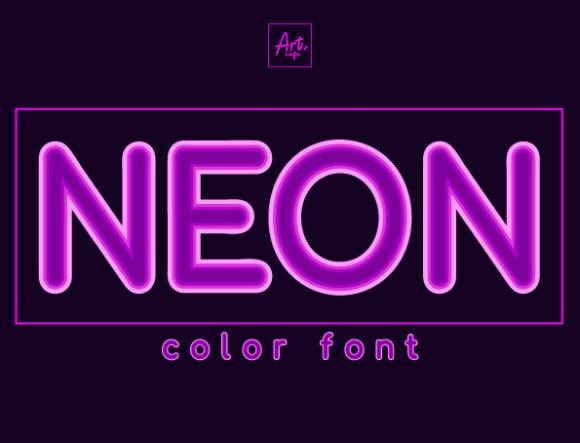
There’s something undeniably magnetic about a neon sign. It cuts through the darkness, not just with light, but with a personality that’s equal parts retro nostalgia and futuristic edge. The Neon typeface translates that very energy into a set of characters you can use. It’s not a simple, sterile font; it’s a premium font that carries the visual hum of a buzzing cityscape. The letterforms are sleek and condensed, with a modern sans serif font foundation, but the true magic is in its vibrant, luminous quality. It feels like the letters are backlit, designed to stand out against a dark background and command immediate attention.
This isn't a script font for delicate wedding invitations or a handwritten font for cozy craft blogs. The Neon typeface has a specific, powerful personality. It’s confident, dynamic, and slightly edgy. It speaks to innovation, nightlife, technology, and creative energy. For a designer, it’s a tool for injecting instant visual voltage into a project. The overall appeal lies in its ability to make a statement without saying a word—it’s a display font that embodies a feeling of excitement and modernity.
Where Neon Truly Shines: Practical Applications
Understanding where a font like Neon excels is key to using it effectively. Its bold nature means it’s not suited for body text in a novel, but it’s a powerhouse for specific, high-impact roles.
In brand identity, Neon can be transformative for the right company. Think of a tech startup launching a new app, a trendy cocktail bar, a music festival, or an electric vehicle brand. Using Neon in their logo design or primary headlines immediately sets a tone of being cutting-edge and vibrant. It helps a brand stand out in a crowded market by projecting an image of confidence and contemporary flair. However, consistency is crucial. If your brand’s voice is traditional, quiet, or formal, Neon might create a disconnect with your audience.
For marketing and social media graphics, this font is a secret weapon. A promotional poster for a sale, a podcast cover art, or an Instagram story announcing a new product can all benefit from Neon’s arresting presence. It grabs the scrolling thumb in a crowded feed. The key is using it for key phrases or headlines, paired with a more neutral serif font or sans serif font for supporting information to maintain readability and visual hierarchy.
In digital and web design, Neon can be used for hero section headings, call-to-action buttons, or navigation menus on sites for creative agencies, music platforms, or gaming communities. It adds a layer of immersive experience. For editorial design and publishing, imagine the chapter titles in a sci-fi novel or the cover of a magazine focused on future trends—Neon delivers that perfect stylistic punch.
Even in packaging design, a subtle use of Neon on a product box for headphones, energy drinks, or specialty electronics can suggest performance and innovation. For personal projects, crafters and hobbyists can use it for bold wall art, custom t-shirt designs, or eye-catching event invitations. The versatility lies in its role as an accent, not the foundation.
Integrating Neon into Your Design Toolkit
Choosing to use a creative font like Neon requires more than just liking how it looks. A strategic approach ensures it enhances your project rather than overwhelming it.
First, evaluate the project fit. Ask yourself: Does my project’s core message align with energy, modernity, and boldness? A children’s book? Probably not. A mobile game interface? Absolutely. Next, always test font pairing. Neon’s high-energy nature demands a balancing partner. A clean, geometric sans serif font for body text or a classic, readable serif font can provide contrast and ensure your overall layout remains professional and legible. Avoid pairing it with another highly decorative display font, as they will compete for attention.
Examine the font package itself. A quality commercial font like Neon will often include multiple styles—perhaps different weights (light, regular, bold), or stylistic alternates that give you more design flexibility. Check these options to see how they can serve different parts of your design system. Always conduct a thorough readability test. While Neon is designed for impact, ensure the specific characters you use are clear at the intended size, especially for critical information like a date or a price.
Finally, respect the license. If you’re using Neon for a client’s logo design, a commercial product, or a monetized website, you need to ensure you have the proper commercial font license. This is a non-negotiable part of professional work and protects both you and your client.
In the end, Neon is more than just another design asset. It’s a deliberate choice to infuse a project with a specific kind of visual electricity. Used thoughtfully, it can elevate your work, capture attention, and communicate a powerful brand message that resonates with a modern audience. It’s a tool for designers who aren’t afraid to make their work glow.