Brioche: A Chunky Sans Serif with Serious Retro Charm
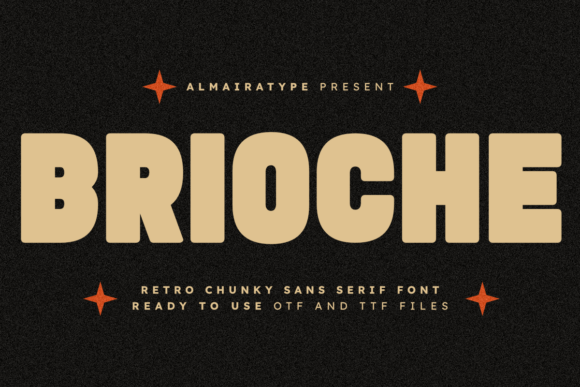
There's something undeniably satisfying about a typeface that feels both familiar and fresh. That's the immediate impression you get with Brioche. It's not just another bold sans serif font; it's a carefully crafted piece of modern typography that channels the optimistic, geometric energy of 1970s and 80s design. Think of the thick, friendly lettering on vintage cereal boxes, the confident titles on old movie posters, or the solid, approachable text on retro product packaging. Brioche captures that nostalgic aesthetic but delivers it with the clean, precise lines of a contemporary digital font, making it incredibly versatile for today's creative projects.
Visually, Brioche is characterized by its substantial weight and perfectly rounded contours. The letters have a solid, geometric structure that gives them a balanced and stable appearance on the page or screen. This isn't a font that shies away from attention. Its thick strokes and open counters ensure that each character stands out with clarity, even at smaller sizes or from a distance. The smooth, rounded terminals soften its overall presence, injecting a dose of approachability and friendliness that more angular, hard-edged fonts often lack. This combination of boldness and warmth is what defines its personality: it's confident without being aggressive, and playful without sacrificing professionalism.
Where Brioche Truly Shines: From Branding to DIY Crafts
Understanding a font's best applications is key to using it effectively. Brioche excels as a display font, meaning it's designed to command attention in headlines, logos, and short bursts of impactful text. Its primary strength lies in projects where you need to make a bold statement and establish a clear visual identity. For brand identity work, it's a fantastic choice for a company that wants to project a sense of fun, reliability, and retro flair. Imagine a craft brewery, a vintage-inspired clothing line, a specialty coffee roaster, or a children's toy brand—Brioche could form the cornerstone of their logo design and typographic system.
Beyond static branding, its applications in marketing and digital design are extensive. Use it for eye-catching social media graphics that stop the scroll, for the main headlines on a website landing page, or for the title cards in a video presentation. In editorial design, it can add a powerful, nostalgic punch to magazine covers or chapter headings. For packaging design, especially for food products, artisanal goods, or anything with a handmade or nostalgic story, Brioche's friendly solidity makes product names and key information instantly readable and appealing.
Perhaps one of its most practical strengths is its compatibility with physical making. The font's clean vector outlines are a dream for crafters and entrepreneurs using cutting machines like Cricut or Silhouette. This means you can confidently use Brioche to create vinyl decals, heat transfers for custom t-shirts and apparel, stencils for painting, and designs for mugs, tote bags, and stickers. The thick, simple letterforms ensure clean cuts and easy weeding, which is a major time-saver and frustration-reducer for Print on Demand (POD) businesses and DIY enthusiasts alike.
Practical Guidance: Pairing, Licensing, and Making the Most of Brioche
Choosing the right font is only half the battle; using it well is what elevates your design. When working with a strong display font like Brioche, font pairing is crucial. Its bold, chunky nature means it will dominate any layout. The goal is to pair it with a typeface that complements rather than competes. A classic and effective strategy is to combine it with a simple, clean sans serif font for body text. Fonts like Lato, Open Sans, or Roboto provide excellent readability in longer paragraphs and create a clear visual hierarchy, letting Brioche headlines do the heavy lifting. For a more eclectic or vintage feel, you could experiment with a subtle serif font or even a restrained script font for accents, but use these pairings sparingly and test them carefully.
Before committing to Brioche for a commercial project, always review the included styles and the licensing terms. Does it come with the weight variations you need? Does the license cover your intended use, whether for a client's logo, merchandise for sale, or digital products? This due diligence is part of professional practice. When evaluating its fit for a project, consider your audience. Brioche's retro vibe resonates powerfully with demographics that appreciate vintage aesthetics, but its clean execution also makes it accessible to a broader market. It's a premium font that delivers real value for creative professionals who need a distinctive, reliable design asset.
Readability should always be a primary consideration. While Brioche is highly legible for its intended use in headlines and short text, it's not designed for extended body copy. Test it at the actual size it will be viewed. Check the spacing between letters (tracking) and lines (leading) to ensure optimal clarity. Its rounded shapes and generous counters generally aid legibility, but factors like color contrast and background complexity in your final design will play a significant role. The best way to assess its effectiveness is to mock up your design—see how it feels on a t-shirt graphic, a social media post, or a product label before finalizing.
In the end, Brioche is more than just a creative font. It's a strategic tool for injecting personality, nostalgia, and professional polish into your work. It bridges the gap between the tactile, imperfect charm of retro design and the sleek precision required in today's digital and print landscapes. For designers, marketers, and makers looking to build a memorable brand identity or create standout merchandise, it offers a powerful, friendly, and unmistakably bold voice.